
Good that you're exploring your own user manual
Theme
Neurodiversity & stimuli.
Every brain works differently. With ADHD, autism or high sensitivity, you process attention, stimuli and emotions a little differently from average. That brings challenges, such as overstimulation and difficulty with structure, but also strengths. In this theme you'll find everything about neurodiversity and stimuli in one place.
Good luck!
 Your brain, your way of working.
Courses
More courses
Course · 6 lessons · in Dutch
Living with ADHD
For anyone who has or suspects ADHD and wants to understand how their own brain works. Six lessons on recognising patterns, practical tools, ADHD at work and making the most of your strengths.
Start with lesson 1Exercises
More exercisesVideo
More videosAudio
More audioOverstimulated? You're really not the only one
ADHD, autism and high sensitivity are more common than you think, including among people who perform at the very highest level. A few of them:
In 2016, Simone Biles's medical records were leaked, showing that she takes medication for ADHD. She responded herself that same day: she has had ADHD since childhood and is not ashamed of it. With four Olympic titles from Rio to her name, she showed that a busy mind and the very highest concentration can go together just fine.
Greta Thunberg was diagnosed with autism at around eleven, after a period in which she barely ate or spoke. She calls her autism her superpower: she sees the world in black and white and can't pretend a problem isn't there. That uncompromising streak is exactly what had her sitting outside the Swedish parliament with a sign in 2018.
Jochem Myjer has ADHD and is highly sensitive. In interviews he explains that one doesn't come without the other: the energy and associative thinking with which he holds an audience for hours are the same traits that exhaust and overstimulate him at home. For him, scheduling rest is not a luxury but a necessity.
Daphne Deckers only discovered as an adult that she is highly sensitive, when she read Elaine Aron's book and recognised herself in it: quickly overstimulated, processing everything deeply, having felt 'too sensitive' for years. Since then she has written and spoken about it openly. Not as a complaint, but as a trait that calls for its own user manual.
Reading tips
More reading tips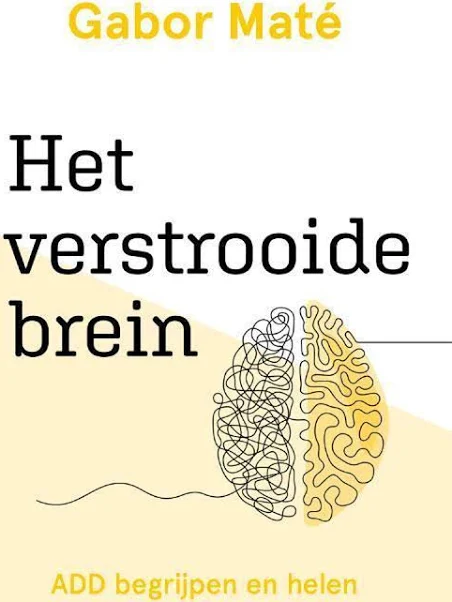 BookHet verstrooide breinGabor MatéView at bol.comGabor Maté, who has ADD himself, describes what it is like to live with a scattered mind and how to handle it better. In his view ADD is not a hereditary disease but a developmental delay you can catch up on. An optimistic book that makes the puzzle pieces fall into place for many people.
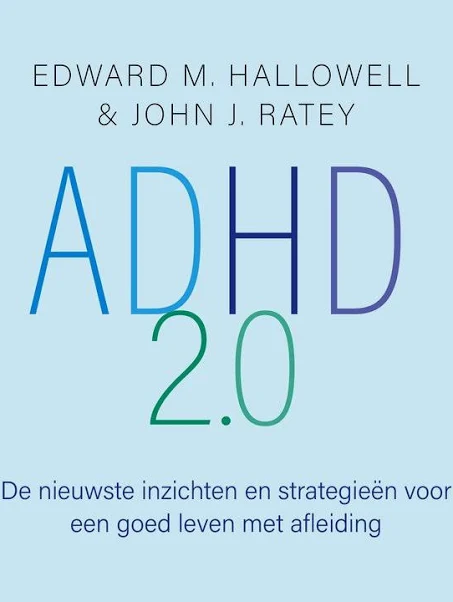 BookADHD 2.0Edward Hallowell & John RateyView at bol.comPsychiatrists Edward Hallowell and John Ratey, who both have ADHD themselves, show how to turn ADHD into your strength: reducing the difficult sides and letting the strong ones (creativity, out-of-the-box thinking, hyperfocus) flourish. With compelling examples and the latest scientific insights. A reliable guide to living well with distraction.
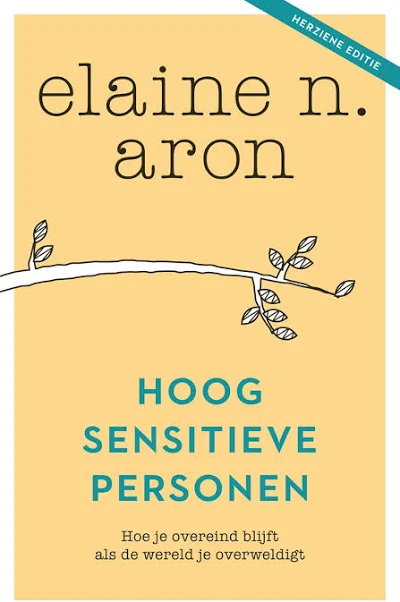 BookHoog Sensitieve PersonenElaine AronView at bol.comAn eye-opener for many: complaints you were ashamed of for years are placed in a clear new context. With tips and advice on dealing with oversensitivity, letting go of insecurity and finding a new social balance. Thousands of people found in this book the recognition and acknowledgement they were looking for.
 BookHoogsensitief omgaan met stressSeverine van de VoordeView at bol.comWhy does one person experience high sensitivity as a strength and another as a burden? The key is how you deal with stress. Severine van de Voorde explains why HSPs are more prone to stress, loss of energy and burn-out, and offers concrete strategies for overstimulation, absorbing other people's emotions, people pleasing and setting boundaries.